
Does God Choose Stuff?

Does God have a choice to love me? Thomas Oord says that God is amipotent (love that is the essence of God, and central to God’s other divine attributes inspires humans to respond toward the best possible outcomes one moment to the next).
I’m sharing this image because for the next few days I will plan to come back to this to unpack these two questions.
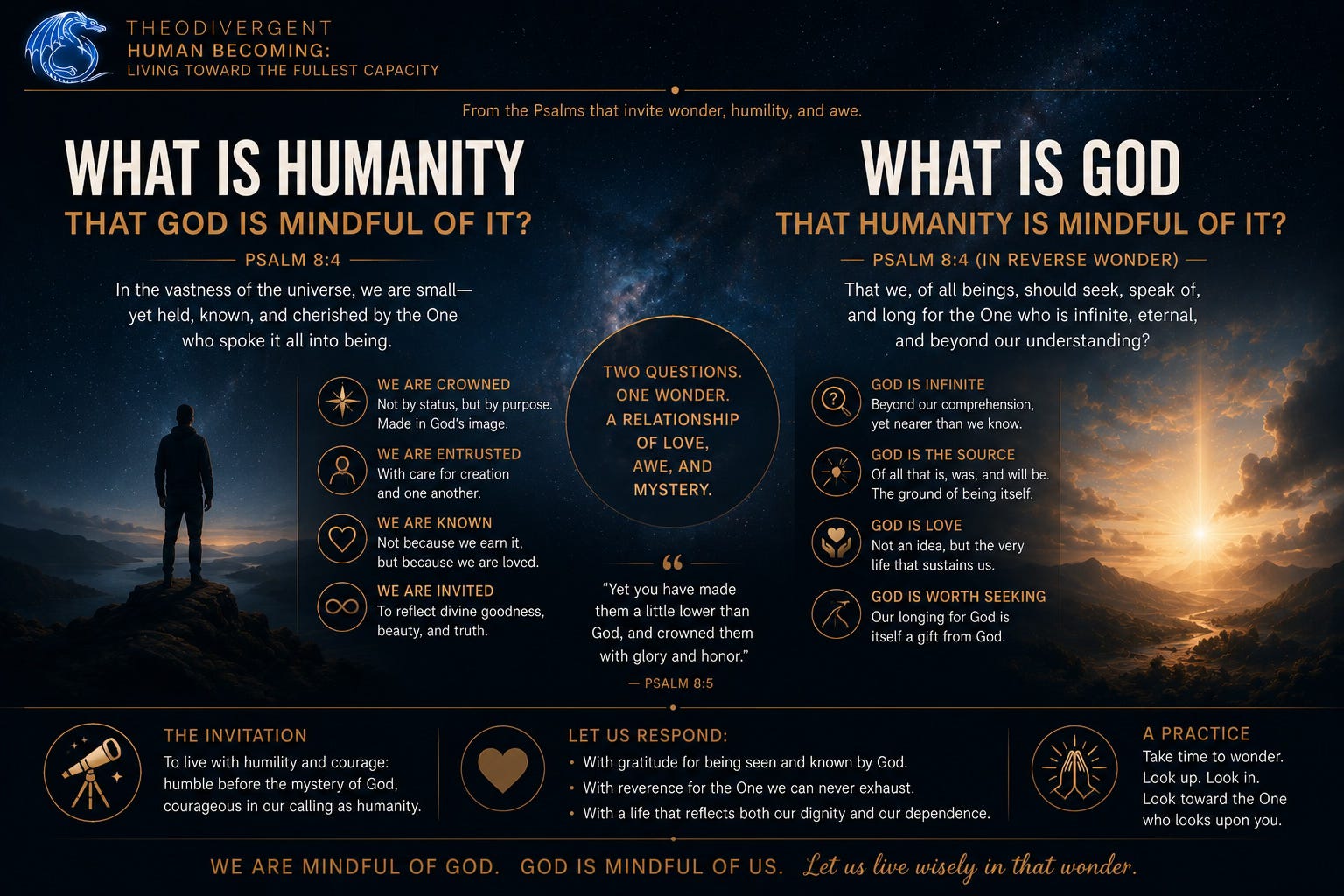
Can God Choose Not to Love? Essential Kenosis, Human Freedom, and the Possibility of Divine Rejection
I have increasingly argued that divine love should function as the very essence of God’s nature and that God’s other attributes need to be understood through hesed (selfless, other-empowering love). Oord’s doctrine of “essential kenosis” proposes that God necessarily and eternally acts in self-giving, others-empowering love. Consequently, God cannot coerce creatures, withdraw divine love, or act contrary to the divine nature. God does not choose love occasionally or strategically; God loves necessarily because God’s nature consists in love itself.
This claim raises a profound theological and existential question: if God cannot choose not to love, does divine love lose its meaning? Human relationships often appear meaningful precisely because they involve risk, reciprocity, and the genuine possibility of rejection. If God lacks the freedom to abandon, condemn, or cease loving humanity, does the divine-human relationship become inevitable rather than relational?
The concern intensifies when Scripture appears to portray God as rejecting persons or communities. Jesus warns the church in Laodicea about spiritual lukewarmness (Rev. 3:16). Matthew’s Gospel contains the frightening declaration, “Depart from me, I never knew you” (Matt. 7:23). Paul describes humanity as “given over” to distorted desires (Rom. 1:24–28). The Hebrew Bible contains numerous narratives of divine judgment, exile, abandonment, and wrath. At first glance, these texts seem incompatible with the claim that God cannot reject creatures.
Yet theologians such as Greg Boyd and Eric A. Seibert suggest that Scripture requires a cruciform and love-centered hermeneutic. Rather than reading every biblical depiction of God univocally, they argue that Christians should interpret Scripture through the lens of Jesus Christ, particularly the self-giving love revealed in the incarnation and crucifixion. Divine revelation reaches its fullness not in coercive displays of power, but in kenosis, enemy-love, forgiveness, solidarity with suffering, and resurrection hope.
Within such a framework, divine judgment need not imply divine abandonment. God may reject systems, behaviors, and distortions that destroy flourishing while never ceasing to love the persons trapped within them. The biblical narrative repeatedly demonstrates divine persistence toward resistant humanity. Adam hides, yet God seeks him. Cain murders, yet God protects him. Israel rebels, yet God continues covenantal pursuit. Peter denies Christ, yet Christ restores Peter. The prodigal son abandons the father, yet the father waits, watches, and runs toward him.
This distinction proves crucial: God may oppose that which destroys creatures without rejecting the creatures themselves.
Essential kenosis therefore reframes divine freedom. Classical theism often defines freedom as the ability to choose among alternatives. By contrast, Oord suggests that God’s freedom functions as perfect faithfulness to divine character. God cannot act contrary to love because God cannot act contrary to Godself. Divine inability does not imply deficiency. Christians already affirm that God cannot lie, cease existing, or become evil. Essential kenosis simply extends this logic to coercion and rejection. God cannot abandon creation because God’s very being eternally consists in self-giving relational love.
Human freedom, however, remains genuine. a framework centered on love rejects both theological determinism and absolute creaturely autonomy. Humans exist as relational participants within an unfinished creation. God influences creation persuasively rather than coercively, calling creatures toward greater beauty, justice, communion, and flourishing. Humans retain the capacity to resist divine love, distort relationships, participate in evil, or refuse healing. Hell, in this sense, may represent not divine rejection of humanity, but humanity’s persistent resistance to divine love.
Theologically, this approach preserves both divine faithfulness and meaningful creaturely freedom. God never stops loving, but creatures may continually refuse participation in that love. The relationship remains significant not because God might arbitrarily withdraw affection, but because love always requires response. Divine love persists universally; reciprocity does not.
For Wesleyan theology, such claims resonate deeply with longstanding commitments to prevenient grace and sanctification. God continually works toward human flourishing before, during, and after conscious human response. Grace precedes repentance. Grace empowers holiness. Grace restores communion. Humans may resist grace, but divine love continues pursuing restoration rather than annihilation.
Ultimately, the question may not concern whether God possesses the freedom to stop loving. Rather, the deeper question concerns whether perfect love would ever desire such freedom at all. If the fullest expression of power emerges through kenotic self-giving rather than coercive domination, then divine steadfastness does not diminish relational meaning. Instead, it grounds the possibility of trust, healing, transformation, and hope.
Thanks for reading Theodivergent! This post is public so feel free to share it.
Theodivergent is a reader-supported publication. To receive new posts and support my work, consider becoming a free or paid subscriber.

Great post! Looking forward to What is Humanity / What is God.